Did you know that yeast, a living organism, is responsible for the magical rise in your bread and baked goods? Understanding the different types of yeast is key to achieving your desired texture and flavor in every bake. From fluffy rolls to crusty loaves, the right yeast makes all the difference.
Understanding the Basics of Yeast
Yeast is a single-celled fungus that, when activated, consumes sugars and produces carbon dioxide gas and alcohol. This process, known as fermentation, causes dough to rise and develops complex flavors. There are several common varieties of yeast used in baking, each with its own characteristics and best uses.
Active Dry Yeast
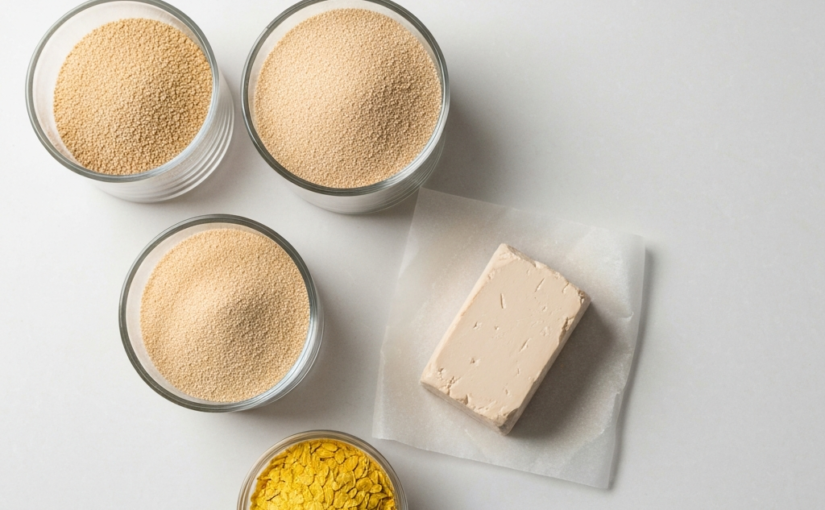
Active dry yeast is one of the most common types found in home kitchens. It comes in small, granular pellets. Before using it, active dry yeast needs to be “proofed” or activated in warm liquid (around 105-115°F or 40-46°C). This involves dissolving the yeast in water, often with a pinch of sugar, and letting it sit for about 5-10 minutes until it becomes foamy. This step confirms the yeast is alive and ready to work. If it doesn’t foam, it’s likely dead and won’t leaven your dough properly. Active dry yeast is versatile and can be used in most bread recipes, including those for yeast rolls.
Instant Yeast (Rapid Rise Yeast)
Instant yeast, also known as rapid rise or quick-rise yeast, is similar to active dry yeast but has smaller granules that dissolve more easily. It doesn’t typically require proofing. You can usually mix instant yeast directly into your dry ingredients. It works faster than active dry yeast, making it ideal for recipes where time is a factor, or for a quicker rise. Many bread machine recipes call for instant yeast.
Fresh Yeast (Cake Yeast)
Fresh yeast, often called cake yeast or compressed yeast, comes in a moist, crumbly block. It has a shorter shelf life than dry yeast and needs to be refrigerated. To use fresh yeast, you typically crumble it into warm liquid to dissolve it before adding it to your flour. It has a very distinct, rich flavor and is favored by some professional bakers for its superior leavening power and taste. It’s less commonly found in supermarkets.
Nutritional Yeast
While not typically used for leavening bread, nutritional yeast is a deactivated yeast often used for its cheesy, nutty flavor in vegan cooking. It’s a good source of B vitamins and is sold in flakes or powder form. It’s important to distinguish this from the yeast used for baking.
Choosing the Right Yeast for Your Needs
The best yeast for your baking project depends on the recipe and your desired outcome.
- For traditional bread-making and when you have a little extra time, active dry yeast is a reliable choice.
- If you’re looking for a faster rise or using a bread machine, instant yeast is a convenient option.
- For a specific flavor profile or if you’re an experienced baker seeking a traditional method, fresh yeast might be your preference, though it requires more careful handling and storage.
Always check your recipe for specific yeast recommendations, as different types can affect rising times and textures. Proper storage of yeast is also crucial for maintaining its viability. Keep dry yeasts in a cool, dry place or in the refrigerator for longer shelf life. Fresh yeast must be kept refrigerated.
Frequently Asked Questions About Yeast
Can I substitute one type of yeast for another?
Yes, but it’s important to make adjustments. Generally, you can use about 25% less instant yeast than active dry yeast. If substituting fresh yeast for active dry, use about three times the amount of fresh yeast. Always proof active dry yeast, while instant yeast can often be added directly to dry ingredients.
How do I know if my yeast is still good?
For active dry yeast, proofing is the best test. If it doesn’t become foamy after 5-10 minutes in warm liquid, it’s likely no longer active. For instant yeast, if your dough isn’t rising as expected after sufficient proofing time, the yeast may have been expired or improperly stored. Fresh yeast should be moist and have a pleasant, yeasty aroma.
Does it matter what temperature the liquid is when activating yeast?
Yes, temperature is critical. If the liquid is too hot, it will kill the yeast. If it’s too cold, the yeast won’t activate properly. For most yeasts, the ideal temperature range for activation is between 105-115°F (40-46°C).
How should I store yeast?
Unopened packages of active dry and instant yeast can be stored in a cool, dry pantry. Once opened, or for extended storage, refrigerate them. Fresh yeast must always be refrigerated. Properly stored yeast can last for a considerable time, but always check the expiration date.
Conclusion
Understanding the nuances between active dry, instant, and fresh yeast empowers you to make informed decisions in your baking. Whether you’re aiming for a slow, flavorful rise or a quick bake, selecting the right yeast is a fundamental step towards delicious results. Experimenting with different types can also lead to new discoveries in your kitchen.